
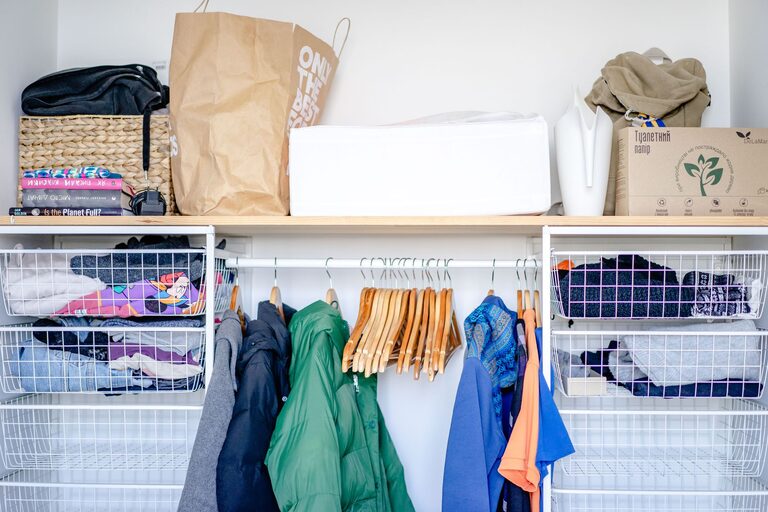
Storing seasonal clothes efficiently is a challenge many of us face every year. Whether you’re swapping out summer dresses for cozy sweaters or packing away bulky winter coats, having a system in place can save you time, space, and hassle. In this post, we’ll explore practical tips and strategies to help you store your seasonal clothing safely and neatly, so you can make the most of your wardrobe and keep your home tidy.
Why Efficient Seasonal Storage Matters
Storing clothes correctly not only frees up closet space but also protects your garments from damage caused by dust, moisture, pests, and wrinkles. Efficient storage also makes it easier to find what you need when the seasons change, reducing stress and clutter. Plus, taking care of your clothes properly can extend their lifespan and save you money in the long run.
—
1. Sort and Declutter Before Storing
Before you store away your seasonal clothes, take some time to review your wardrobe:
– Try on clothes to see if they still fit and suit your style.
– Check for wear and tear and decide if items need mending.
– Donate or recycle clothes you no longer wear or need.
Decluttering helps reduce the volume of clothes to store, making your storage space more manageable.
—
2. Clean Clothes Thoroughly
Never store clothes without washing or dry cleaning them first. Dirt, oils, and stains can attract pests or cause yellowing over time. Follow these guidelines:
– Wash or dry clean each item according to the care label.
– Ensure clothes are completely dry before storing to prevent mildew.
– Iron or steam out wrinkles to keep clothes looking fresh.
Clean clothes are essential for long-term storage and maintaining fabric quality.
—
3. Choose the Right Storage Containers
The container you use to store seasonal clothes can make a big difference. Consider these options:
Clear Plastic Bins with Lids
– Protect clothes from dust, moisture, and insects.
– Clear sides make it easy to see contents.
– Stackable for efficient use of space.
Vacuum Storage Bags
– Compress bulky items like winter coats and blankets.
– Save significant space by removing air.
– Be cautious with delicate fabrics — not recommended for items that can be crushed easily.
Fabric Storage Bags or Boxes
– Allow clothes to breathe, reducing mildew risk.
– Good for delicate fabrics and natural fibers.
– Less protective against pests compared to plastic bins.
Suitcases and Under-Bed Storage
– Great for maximizing unused space.
– Use only if items inside won’t get crushed.
—
4. Store Clothes Properly to Maintain Shape and Quality
How you arrange clothes inside storage containers affects their condition:
– Fold sweaters and knitwear gently to avoid stretching.
– Use acid-free tissue paper between delicate items.
– Roll T-shirts and lightweight clothes to save space and reduce wrinkles.
– Avoid hanging clothes inside storage containers as it can cause stretching or creasing.
For shoes and accessories, keep them in individual pouches or boxes to prevent damage.
—
5. Keep the Storage Area Clean and Dry
Where you keep your stored clothes matters just as much as how you store them:
– Choose a cool, dry, and dark location like a closet, under-bed drawer, or storage room.
– Avoid airtight spaces with high humidity (e.g., basements without climate control).
– Use moisture absorbers or silica gel packets to prevent dampness.
– Place mothballs or cedar blocks to deter pests naturally — but keep these away from delicate fabrics and children.
—
6. Label Everything Clearly
Labeling your storage containers saves time when retrieving clothes:
– Use large, easy-to-read labels on bins or boxes.
– Include details like clothing type, season, or specific garments inside.
– Consider using a label maker or waterproof markers for durability.
Labels help keep your system organized and stress-free.
—
7. Rotate and Refresh Seasonally
Each season, take time to:
– Rotate clothes by moving them from storage to your closet.
– Air out stored clothes before wearing to remove musty smells.
– Check for any signs of pests or damage.
– Reorganize and clean storage containers as needed.
This routine helps keep your wardrobe fresh and functional year-round.
—
Additional Tips for Efficient Seasonal Clothes Storage
– Use hanging organizers for items like scarves, belts, or ties.
– Store boots and shoes upright with boot shapers or rolled newspapers to maintain shape.
– Avoid overpacking containers to prevent crushing and deformation.
– Keep frequently used items accessible even during off-seasons.
—
Conclusion
Efficiently storing seasonal clothes is all about preparation, protection, and organization. By sorting, cleaning, choosing the right containers, labeling, and maintaining a clean storage space, you can keep your wardrobe in great condition and your living space clutter-free. With these simple strategies, changing your closet as the seasons shift will become an easier and more enjoyable task.
Happy organizing!