
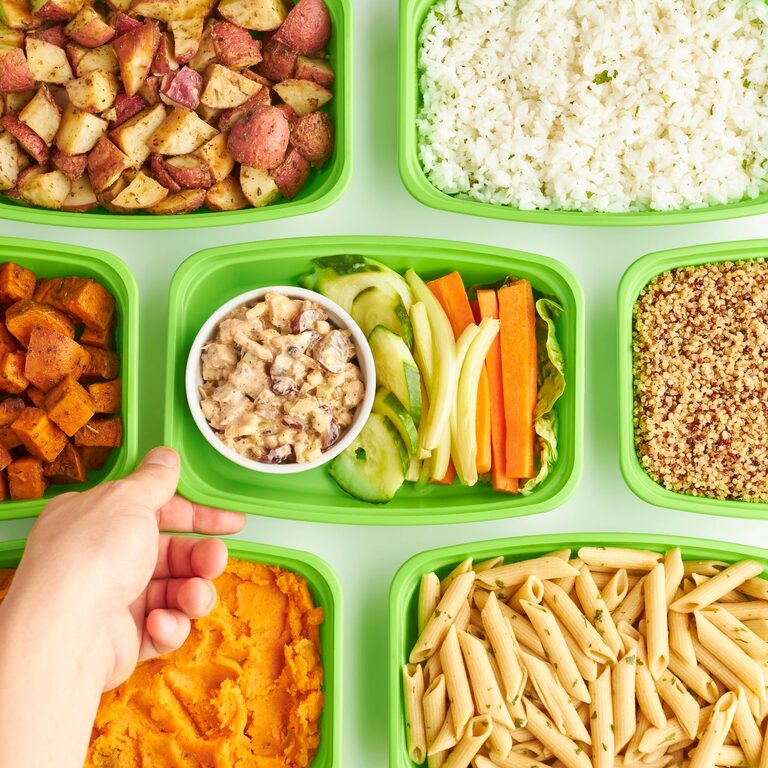
Creating a weekly meal plan might sound like a big task, but it’s one of the best ways to make cooking easier and healthier. With a plan in place, you can reduce last-minute decisions, save money, and avoid food waste. This guide will walk you through simple, practical steps to create a weekly meal plan that works for your lifestyle.
Why Create a Weekly Meal Plan?
Before diving into how to plan, it helps to understand why meal planning is worth the effort:
– Saves Time: Planning ahead means fewer trips to the grocery store and less time wondering what to cook.
– Reduces Stress: Knowing what’s on the menu removes the daily question of “What’s for dinner?”
– Supports Healthy Eating: Planning meals helps you include balanced ingredients and avoid unhealthy last-minute choices.
– Lowers Food Waste: Buying only what you need and using leftovers efficiently can reduce how much food gets thrown away.
– Saves Money: Sticking to a list and avoiding takeout can keep your grocery spending in check.
Step 1: Assess Your Week
Start by looking at your upcoming week. Consider:
– How many meals do you need to plan? (Breakfast, lunch, dinner, snacks?)
– What days are busy or less busy?
– Will you eat at home or elsewhere on certain days?
Knowing your schedule helps you decide how complex your meals can be and which days might need quicker options.
Step 2: Choose Your Meals
Next, pick meals that fit your taste and time. Here’s how to keep it simple:
– Select meals you already enjoy cooking or eating.
– Include some easy, quick recipes for busy days (think stir-fry, salads, or wraps).
– Add a few make-ahead or slow cooker meals to save time.
– Aim for variety, but don’t stress about repeating favorites.
Sample Weekly Meals
| Day | Breakfast | Lunch | Dinner |
|———–|—————————|————————–|—————————-|
| Monday | Oatmeal with fruit | Turkey sandwich | Grilled chicken and veggies|
| Tuesday | Yogurt and granola | Salad with tuna | Spaghetti with meat sauce |
| Wednesday | Smoothie | Leftover chicken salad | Stir-fried tofu and rice |
| Thursday | Scrambled eggs and toast | Soup and bread | Baked salmon and potatoes |
| Friday | Pancakes | Veggie wrap | Homemade pizza |
| Saturday | Bagel with cream cheese | Quinoa salad | BBQ with friends/family |
| Sunday | French toast | Leftovers | Roast with vegetables |
Step 3: Make Your Grocery List
Once you know your meals, write down all the ingredients you’ll need. Tips for a good grocery list:
– Organize by store sections (produce, dairy, meat, pantry) to shop faster.
– Check your pantry and fridge first to avoid duplicates.
– Include staples like spices, oils, and condiments if you’re running low.
– Plan for snacks and breakfast items as well.
Step 4: Prep What You Can
Meal prep saves time during the week. You don’t have to cook everything in advance, but:
– Chop vegetables and store them in containers for easy use.
– Cook grains like rice or quinoa ahead of time.
– Portion snacks into grab-and-go bags or containers.
– Prepare sauces, dressings, or marinades ahead to add flavor quickly.
Even 30 minutes of prep on the weekend can make busy weekday meals feel much easier.
Step 5: Stay Flexible
Life happens, so it’s important to stay flexible with your plan:
– Swap meals between days if needed.
– Use leftovers creatively to avoid waste.
– Don’t worry if you occasionally order takeout or skip a meal.
The goal is to make your week smoother, not more rigid.
Tips for Successful Weekly Meal Planning
– Use a Template or App: Many free printable templates or apps can help you organize your plan.
– Batch Cook: Prepare large portions of some meals to enjoy multiple times.
– Involve the Family: Get input on meals everyone will enjoy to keep things positive.
– Focus on Balance: Aim to include a mix of proteins, vegetables, and whole grains.
– Learn from Experience: Adjust your plan each week based on what worked or didn’t.
Conclusion
Creating a simple weekly meal plan doesn’t have to be complicated. By assessing your schedule, choosing easy meals, making a detailed grocery list, prepping ingredients, and staying flexible, you can enjoy stress-free cooking all week long. Start small and build your planning skills over time—you’ll soon find it a helpful habit that saves time and supports healthier eating. Happy meal planning!