
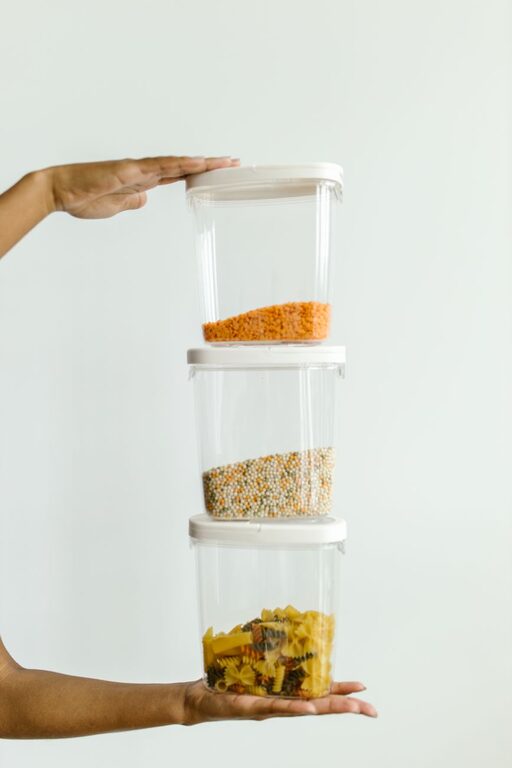
Planning meals from pantry staples is a smart way to save money, reduce food waste, and ensure you always have something tasty on hand. Whether you’re aiming to cut down on grocery trips or just want to make the most of what’s already in your kitchen, mastering the art of pantry meal planning can make your life easier and your meals more enjoyable.
In this guide, we’ll walk through how to organize your pantry, identify your staple ingredients, and create delicious, balanced meals using what you already have.
What Are Pantry Staples?
Pantry staples are non-perishable or long-lasting food items that you keep stocked in your kitchen. Common staples include canned goods, dried grains, pasta, baking ingredients, spices, and shelf-stable proteins. These ingredients form the foundation of many meals and can often be combined in multiple ways.
Examples of Pantry Staples
– Grains: rice, pasta, quinoa, oats
– Canned goods: beans, tomatoes, corn, tuna
– Baking ingredients: flour, sugar, baking powder
– Oils and vinegars: olive oil, vegetable oil, apple cider vinegar
– Spices and herbs: salt, pepper, garlic powder, dried oregano
– Shelf-stable proteins: peanut butter, nuts, canned chicken or fish
– Broths and sauces: chicken or vegetable broth, soy sauce
Having a well-stocked pantry means you can whip up meals even if fresh groceries aren’t immediately available.
Step 1: Assess Your Pantry
Before you start meal planning, take an inventory of what you already have. This reduces the chance of buying duplicates and helps you identify what meals you can make right away.
– Organize your pantry: Group items by type (grains, canned goods, spices) to see what’s there at a glance.
– Check expiration dates: Remove anything that’s expired, and plan to use soon items that are nearing their best-by dates.
– List your staples: Write down your pantry staples on paper or a digital app for easy reference.
Step 2: Create a Meal Plan Around Your Staples
Now that you know what you have, you can start planning meals that incorporate those ingredients.
Tips for Planning Meals from Pantry Staples
– Start simple: Choose meals that require only 3-5 ingredients from your staples.
– Mix and match: Combine grains with canned beans and spices for a quick, healthy dish.
– Use recipes as inspiration: Look online or in cookbooks for recipes based on pantry ingredients.
– Plan versatile meals: Dishes like soups, stews, pasta, and stir-fries adapt well to a variety of pantry items.
– Add fresh elements when possible: Include fresh vegetables, herbs, or proteins to enhance flavor and nutrition.
#### Sample Meal Ideas Using Pantry Staples
– Pasta with tomato sauce and canned tuna: Cook your pasta, heat canned tomatoes with garlic and oregano, then stir in tuna.
– Bean and rice bowl: Combine cooked rice and canned beans, season with cumin and chili powder, and top with salsa.
– Lentil soup: Use dried or canned lentils, broth, canned tomatoes, and spices for a hearty soup.
– Chickpea salad: Mix canned chickpeas with olive oil, vinegar, salt, pepper, and any fresh herbs or veggies on hand.
Step 3: Shop Smart to Supplement Your Pantry
Sometimes, you’ll want to add a few fresh or frozen ingredients to complement your pantry staples. Plan your grocery trips around what you need to complete your meals.
– Buy fresh vegetables and fruits that have a longer shelf life, like carrots, onions, and apples.
– Choose versatile fresh proteins such as chicken breasts or eggs.
– Consider frozen vegetables as a convenient option that lasts longer.
Step 4: Batch Cook and Store Meals
Preparing meals in batches helps save time and ensures you have ready-to-eat options available.
– Cook big batches of rice, beans, or soups using pantry staples.
– Store leftovers in airtight containers to keep them fresh.
– Freeze portions for future meals, especially soups, stews, and cooked grains.
Tips for Keeping Your Pantry Organized and Ready
– Use clear containers and labels to keep ingredients visible.
– Rotate older items to the front so you use them first.
– Keep a running list of pantry inventory and update it after cooking.
– Set reminders to check pantry staples monthly.
Benefits of Planning Meals from Pantry Staples
– Saves money: Reduces impulse purchases and helps use what you already own.
– Reduces waste: Prevents food from spoiling unused.
– Saves time: Cuts down on last-minute grocery runs.
– Encourages creativity: Inspires you to experiment with different ingredient combinations.
Final Thoughts
Meal planning with pantry staples empowers you to cook nutritious, satisfying meals with minimal stress. By understanding what you have, planning smartly, and occasionally supplementing with fresh ingredients, you’ll always be prepared to serve tasty meals. Start small, stay organized, and enjoy the convenience that a well-stocked pantry brings to your kitchen.
Happy cooking!